
As we think about Mother’s Day, it’s the perfect time to gather some of our favorite leadership resources for women in higher ed administration, many of whom work the so-called Second Shift.

Leading up to Mother’s Day, we’re celebrating all the amazing moms in higher education who are assisting students administratively, often while raising up young minds at home.
If you’re on that path, we know it’s a balancing act. We hope some of these books can help energize and inform you as you grow your career in higher education.

Tracking higher education key performance indicators (KPIs) is a little like lifting weights… you might have no desire to do it each day, but by the end of the month or year, you’re really glad you did!

If your seasoned enrollment staff are operating live chat, they’ll probably anticipate certain questions. But what if you’re handing off chat to students or other support team members? How can you ensure that they’re prepared for a wide range of admissions questions?

It can be tough to find enrollment and higher ed marketing resources, period, let alone ones that address your specific needs.
Don’t despair though, there are some real gems of industry wisdom sparkling in this mine we call the internet!

"Everybody’s trying to make a lasting impression. A prospect’s first impression might be your website." - Samantha Hudeck, Manager of Administrative Services, FeneTech
Today's B2B buyers are browsing websites before picking up the phone, and a staggering 64% of US consumers feel that companies have lost touch with the human element of customer experience.
Read More
Today's B2B buyers are browsing websites before picking up the phone, and a staggering 64% of US consumers feel that companies have lost touch with the human element of customer experience.
A lot of organizations tell us that their Salesforce CRM is their source of truth. “If it’s not in Salesforce, it didn’t happen.” Unfortunately, some organizations don’t have a Salesforce integration with their live chat platform, so not all of the truth actually gets back into their system.

When I applied to college over a decade ago, I would have loved to ask questions of admissions online. And as a student, getting degree info or career guidance from my dorm room would have been amazing!
As more and more higher ed institutions adopt live chat, modern students, applicants, and alumni don’t always need to wait on a phone line or walk over to an office. You’ll capture and answer questions that students ask at any time, even after hours. Live chat opens up a line of 24/7 communication between universities and their students.

Here at Olark, we’re committed to digital accessibility. Below, we wanted to share our story of getting audited and conforming to important accessibility standards. But first, let’s discuss: why does live chat accessibility matter?
For starters, one in five Americans has some form of disability. Statistically speaking, we all probably know at least one person who has a physical, cognitive, or visual/hearing impairment. And of course, we all use the web!
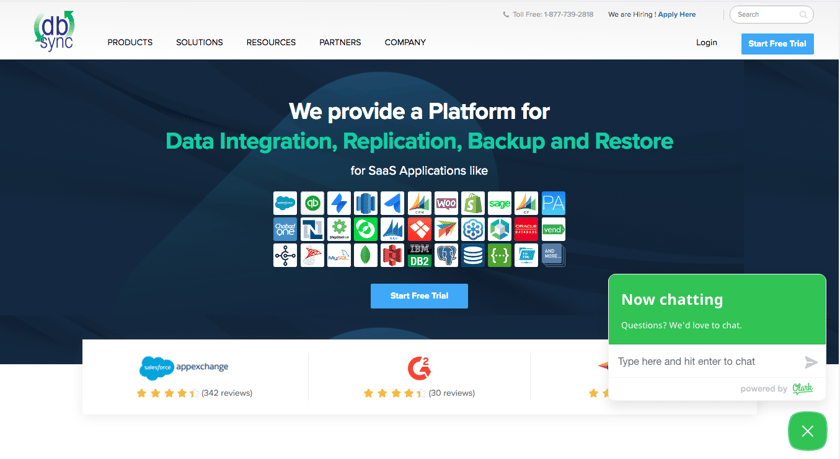
Live chat and business-to-business (B2B) companies haven’t been friends as long as other sectors like business-to-consumer (B2C). At my last B2B company, we had our quote forms and email support. And we went on Twitter if we wanted to be *really* fast at responding!